Category

Identity Verification and Security

Category

Did you know that there are currently 4.87 crore of cases pending in India’s district court; 70.87% of which have been pending for over 1 year Each one of these cases represents an individual and/or business behind the scenes. That one person could become your next employee, supplier, or business partner. Missing a single red flag can lead to fraudulent behaviour, legal problems, and/or millions in losses. This is why you have to conduct a…

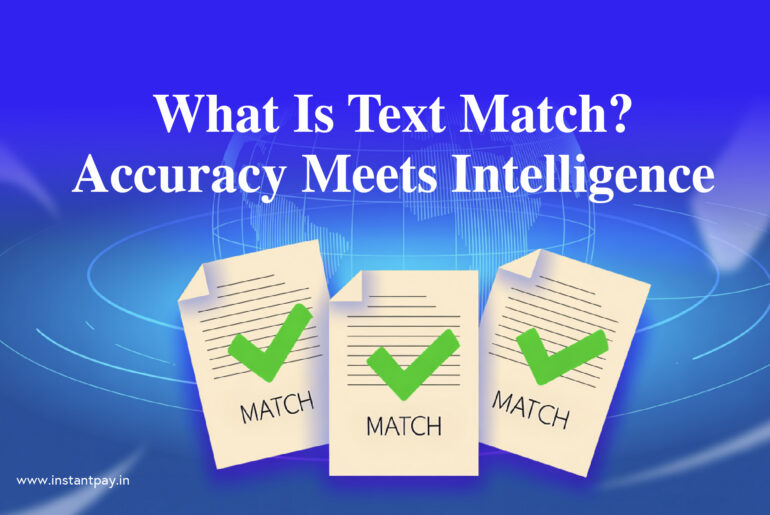
At the core of compliance, onboarding and fraud detection using artificial intelligence is text verification. Text Match allows for the accuracy and reliability of digital identities by checking that a customer’s name matches agency records, that two people are not applying for the same benefits/everything they get from government agencies at once, etc. However, in AI/ML systems, the matching process must go beyond simple “exact” match testing; the engine must perform “approximate” matching due to:…

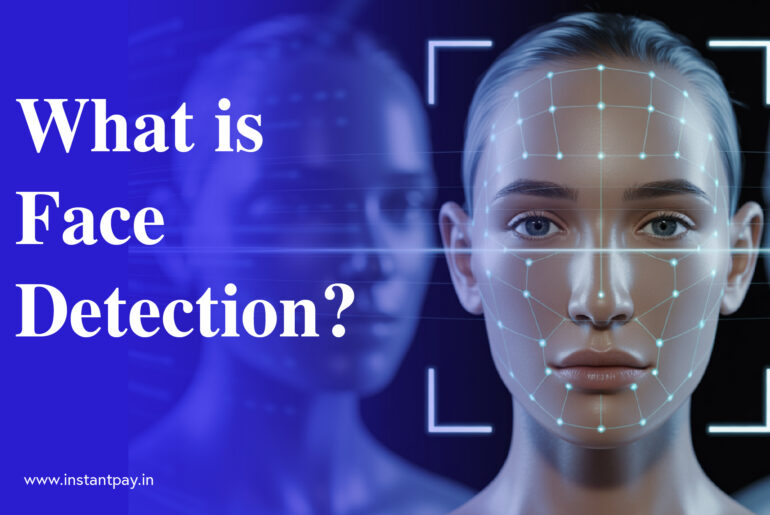
Did You Know?Industry estimates suggest more than 1 billion surveillance cameras existed by the end of 2021, and the total global surveillance camera market grew to about USD 43-44 billion by 2024. Most of that growth is due to AI-based video analytics (such as facial recognition and face detection). Today, that technology can be found all over the place, whether you unlock your smartphone, tag a photo on social media, watch security feeds, or control…

In addition to being used to get mail from one location to another, postal codes help businesses confirm where an item or person should be sent or delivered, allow deliveries to occur smoothly, and create a better experience for customers. A PIN code lookup system enables finding the approximate location of a service area to help correct errors that may be due to missing or incorrect information regarding an address. Each year, poor address data…

Face recognition is used to lock/unlock phones, authorize payments and check the user’s identity when conducting business online. However this convenience presents a problem, how do systems know if a face is legitimate and present (live) or just in a photo, video or AI-generated (deepfake)? With the increasing use of face recognition (authentication) has come the development of several methods to compromise it such as using masks, reproducing images (printing the right photo for example),…

Verified by MonsterInsights