A customer presses “Pay Now.” At that moment, many systems activate: verifying identity, inspecting for fraud, translating and converting foreign currency, and reconciling with banks, among others. If one of these systems fails, the entire transaction can vanish forever, as will the customer.
In 2023, merchants around the world processed over 3.4 trillion ecommerce transactions for an estimated total of $1.8 quadrillion. The most difficult part of this process is during checkout. With nearly 70% of customers abandoning their shopping carts and $48 billion lost due to e-commerce fraud in 2023 alone, merchants simply cannot afford slow or unreliable payment methods as e-commerce grows across India and around the world.
Therefore, the future of e-commerce depends on utilizing fast and secure checkout systems that will allow for the continued growth of digital commerce in India and globally. This guide will provide information on the trends and technologies that will shape the payment experience through 2026 and beyond, including faster mobile payments, AI-powered fraud prevention, etc.
What Is E-commerce Payment Processing?
When a customer makes a payment on a website or an app, there are many systems involved that work together to verify the transaction, check for fraud, and securely transfer funds from the customer’s bank account to the merchant’s account. This entire process is called an e-commerce payment processing system.
How Does It Work: Step-by-Step Breakdown of the Payment Process?
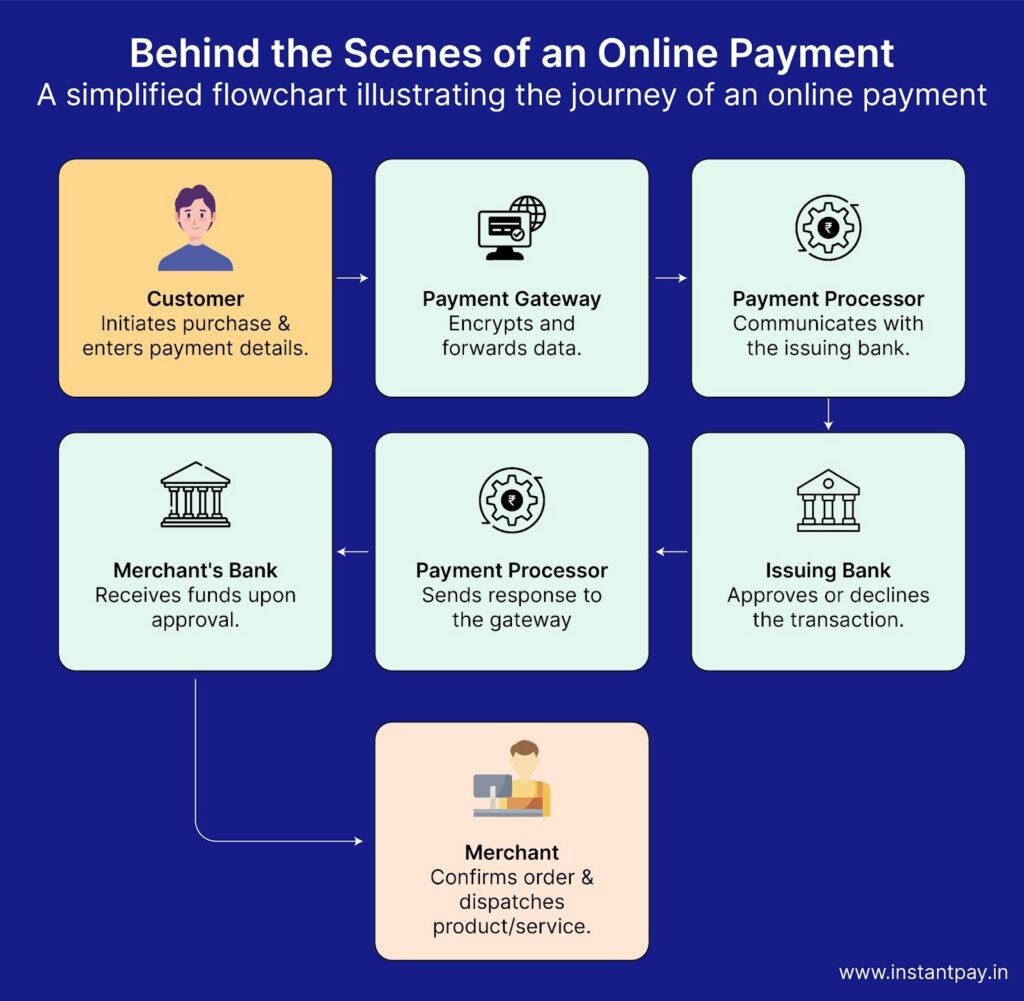
1. Customer Initiates Checkout— The customer has selected items and clicks the checkout button..
2. Payment Information Entry—The customer enters their card details (or UPI, digital wallet, etc.) for the transaction.
3. Payment Gateway Activation—The payment gateway sends the customer’s payment information to the payment processor in an encrypted format.
4. Payment Processor Engagement—The payment processor requests that the customer’s bank confirm if they have sufficient funds and if the transaction is a valid transaction.
5. Authorization Response—The customer’s bank will either approve or decline the payment based on funds available.
6. Transaction Completion—The customer transfers funds from the customer’s bank account to the merchant’s bank account once the payment is approved by the customer’s bank.
7. Settlement and Reconciliation—The merchant will have the funds deposited into their account, generally within a few business days after the transaction occurs.
Top Challenges in E-Commerce Payment Processing Today
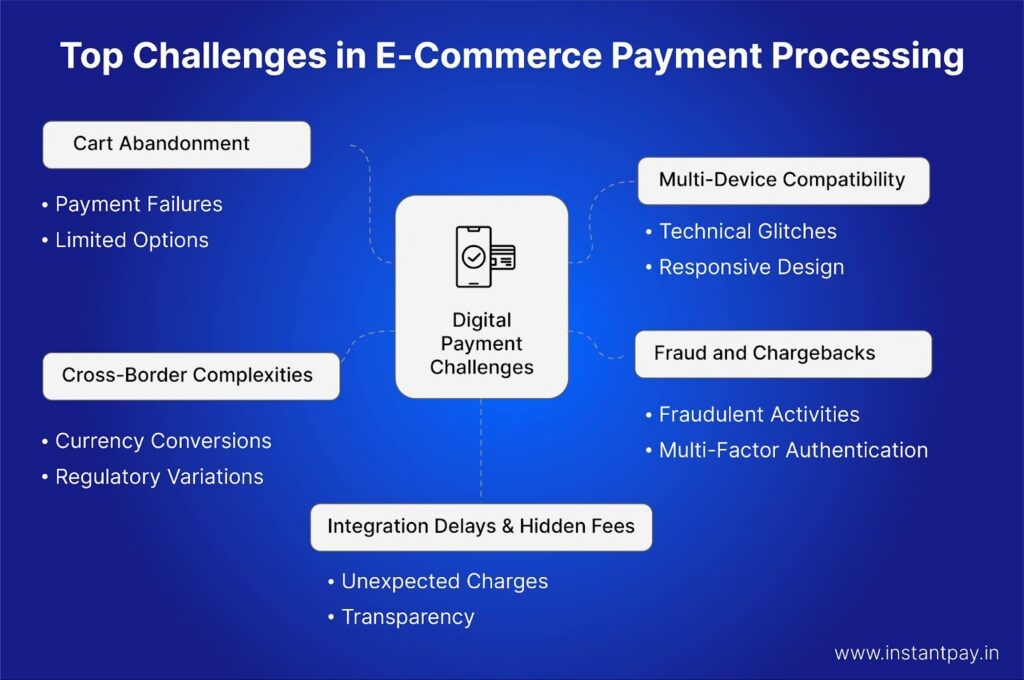
Online shopping is increasing quickly; therefore, it is important for companies that accept payments to deal with issues such as speed, security, and trust. If these problems are handled poorly, they can affect the number of sales that you lose, the chance of fraudulent transactions, and the level of customer satisfaction.
1. Cart Abandonment Due to Failed Payments
Cart abandonment continues to be one of the greatest challenges in e-commerce today. An estimated 70 percent of online shopping carts around the world are abandoned. A large contributor to cart abandonment is payment problems. In India, customers are likely to abandon their carts if they do not have sufficient payment options or when they experience failed transactions prior to completing their checkout.
2. Multi-Device Compatibility Issues
Customers purchase items online using mobile devices (phones and tablets) and desktop computers. If your payment system cannot handle transactions across all these devices, customers may experience technical problems (e.g., technical glitches) or gateway-related problems (e.g., payment processor failure) which will adversely affect their ability to complete their purchases.
3. Fraud and Chargebacks
The rise of digital payments has also seen an increase in online fraud. In India, high value cases of cyber fraud increased by more than four times during FY 2024 and resulted in losses totaling $20 million. Companies need to employ strong security measures such as multifactor authentication and real-time fraud prevention systems in order to mitigate this risk.
4. Cross-Border Complexities
Payment processing across borders can involve complex issues such as currency conversion, compliance with regulations, and delays in settlement. In 2024, India received approximately $129 billion in remittances, which demonstrates a need for a more efficient global payment system.
5. Integration Delays and Hidden Fees
In some cases, businesses may experience delays and unforeseen costs when trying to set up payment processing systems. Businesses can minimize their use of unidentified fees and/or suffer from processing difficulties by using payment processors that provide transparency in their fees and make it clear how their fees are structured.
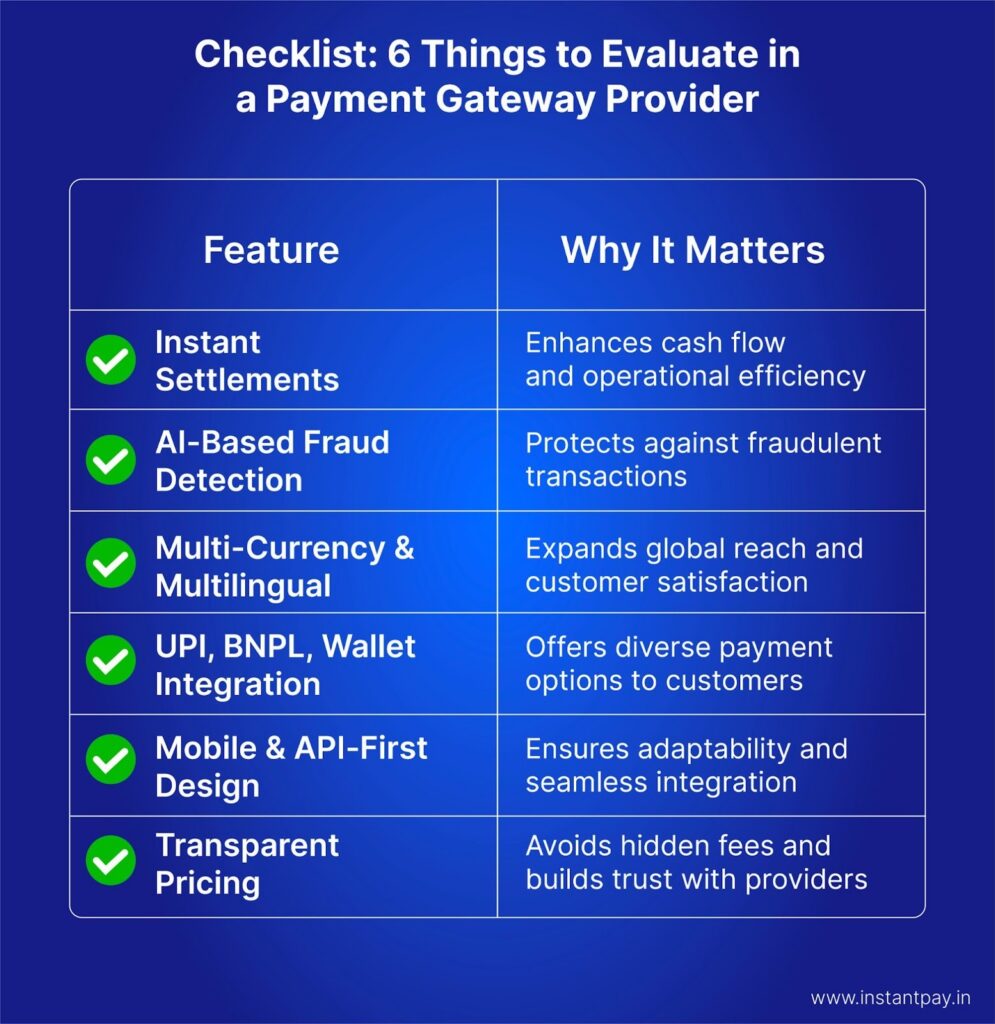
What to Look for in a Payment Solution in 2026?
Payment solutions continue to evolve, and businesses require more than just a payment processing solution. As eCommerce continues to expand, businesses expect payment solutions to support instant settlement (or near real-time settlement) and spatial scalability.
1. Instant Settlements
More & more small businesses are seeking payment processing solutions with near real-time settlement times in the present day. This is important for daily cash flow management, as many small businesses depend on realizing revenue within 1 business day after processing payments.
2. AI-Based Fraud Detection
The sophistication of eCommerce fraud is increasing on a daily basis; thus, businesses require payment providers who can offer advanced fraud protection. Current payment processing systems incorporate advanced monitoring, biometric validation, real-time IP location geocoding, and risk assessment analytics to analyze and confirm each transaction’s legality before authorizing or executing payment.
3. Multi-Currency and Multilingual Support
With an exponential demand for online sales internationally, it is important for payment processors to have payment gateways capable of processing multiple currencies and localized payment solutions. Having the ability to process payments in multiple currencies helps to minimize the friction associated with completing a transaction.
4. Integration with UPI, BNPL, and Wallets
With the rapidly changing consumer preferences, payment providers must develop payment processing solutions that support the latest payment methods (e.g., UPI accounts for almost 83% of the total digital payment volume in India, making it the country’s leading payment method).
5. Mobile-First and API-First Infrastructure
With the majority of transactions taking place on mobile devices today, payment systems should be designed for mobile-based transactions. Payment systems that utilize an API-first architecture enable users to integrate their payment processes with their CRMs, ERPs, or custom-built applications, making it easier for companies to grow their business.
Why Instantpay Makes Sense for Future-Ready Businesses?
Enterprise businesses require an instantaneous payment solution that delivers scale and speed. So how can Instantpay help you achieve this? Let’s begin by examining the benefits of using Instantpay:
- API-driven flexibility – Instantpay offers a full suite of APIs; this means businesses can use these APIs to integrate their processes, payments, and other financial operations into their existing systems.
- Real-time insights & control – The unified dashboard allows for the ability to see transactions, settlements, and conversion performance for all transactions processed through Instantpay. This allows businesses to make quicker, data-driven decisions.
- Faster settlements – The ability to settle at T+0 24/7, including weekends/holidays, provides businesses with faster access to their funds. This means businesses can better manage their cash flow.
- Easy Integration and Compliance/Security – Instantpay’s developer-friendly APIs and onboarding tools allow businesses to quickly implement their solutions. Additionally, the PCI-DSS and ISO certifications (for compliance/security) give businesses the reassurance that they are meeting their obligations under the Payment Card Industry Data Security Standards.
Emerging Trends Shaping the Future of Payment Processing
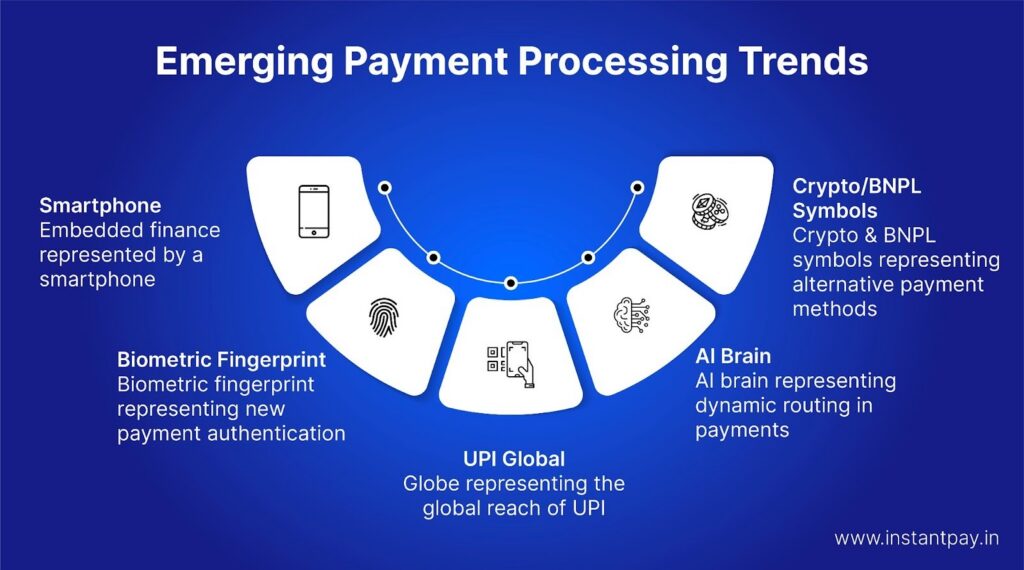
The way we make purchases online is changing at a rapid pace with advances in technology and an increase in customer expectations. Presently, businesses are under increasing pressure to have payment systems that are faster, safer, and more seamless when making payments.
- Embedded Finance and Invisible Payments: Payments are now commonly incorporated into mobile applications or platforms, thus allowing a customer to use their favourite mobile app to complete any type of transaction without having to leave that app. This capability will decrease the amount of time you would traditionally spend at the checkout line and is therefore much more convenient for the consumer.
- Tokenization 2.0 and Biometrics: Tokenization, fingerprint scanning, and facial recognition are all examples of advanced security features that secure payment data while making it quicker and more secure to perform transactions.
- Real-time Payment Rails (like UPI Global): Instant payments are quickly becoming the global standard—initiatives such as UPI Global are enabling companies to make faster cross-border payments at lower costs with better transparency.
- Dynamic Routing and Smart Retries: Modern-day payment systems are utilizing artificial intelligence-powered routing and smart retry functionality to determine which payment route will provide the best possible outcome. This results in a higher percentage of successful transactions and the lowest amount of failed transactions.
- Rise of Alternative Payment Methods (Crypto, BNPL, etc.): There is an increasing demand for alternative payment methods such as “Buy Now and Pay Later” (BNPL) and even digital currencies such as Bitcoin as a result of young consumers looking for greater flexibility
Top 5 Tips to Improve Your E-commerce Payment Success Rate
Help your business reduce cart abandonment and increase complete orders by improving your payment success rate. Below are five actionable tips to improve your online payment process.
- Optimize Checkout for Mobile and Low Bandwidth
With over 80% of Indians using mobile devices to access online services, it’s essential for your checkout pages to load quickly and be efficient to use even when using low-speed networks. A mobile-optimized checkout process can keep customers engaged, reducing checkout drop-offs. - Use Smart Retry Logic for Failed Transactions
There are various reasons why a transaction may fail, such as temporary network issues and bank errors. Smart retry logic gives you the ability to automatically retry the transaction request with different methods until the transaction is successful, which ultimately increases your overall payment success rate. - Offer Local and Preferred Payment Methods
Offering local payment options such as UPI, wallets, or BNPL allows customers to use payment options they are familiar with. Customers typically have a higher conversion rate when they can select several payment options that they prefer. - Implement Fraud Filters Without Killing Conversion
While preventing fraud is critical, excessively strict filters may block legitimate transactions. Utilizing AI-powered fraud prevention will assist with the prevention of fraudulent transactions while still allowing legitimate transactions to process. - Monitor Drop-offs Using Analytics Tools
Tracking where shoppers are abandoning the payment process will help you identify issues within it. For instance, after improving their checkout and payment gateway integration, BigBasket was able to increase their wallet integrations by 23% while reducing drop-offs overall.
Compliance & Security Essentials for Safe and Secure Online Payments
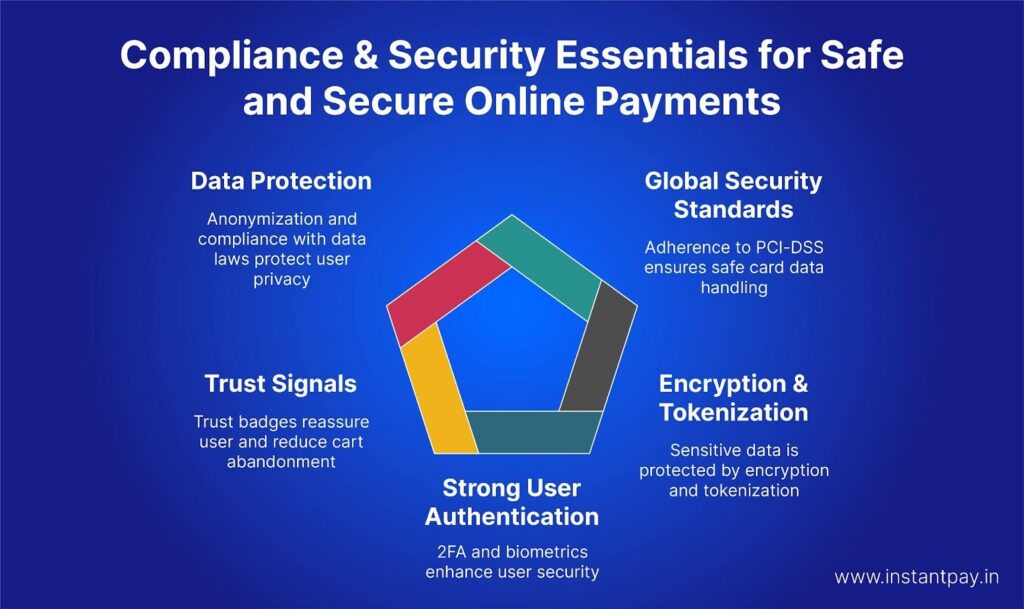
E-commerce fraud is projected to surpass $107 billion globally by 2029, making data encryption, tokenization, and real-time fraud scoring essential. Adhering to compliance standards and implementing robust security measures not only protects customer data but also builds trust and credibility.
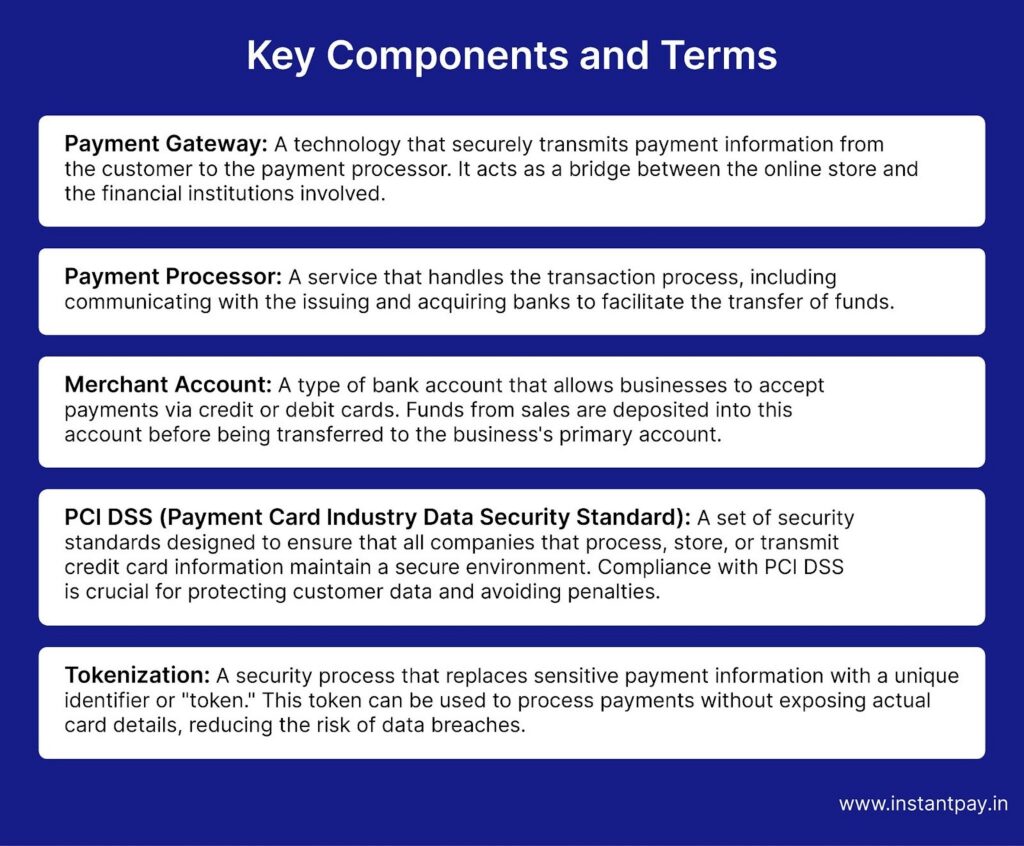
1. Follow Global Security Standards (like PCI-DSS)
Make sure your payment system is PCI-DSS compliant; it’s a global rulebook for safely handling card data. This helps reduce the risk of data breaches.
2. Use Encryption and Tokenization
Sensitive details like card numbers should be encrypted and replaced with secure tokens. Even if attackers get access, they can’t misuse the data.
3. Enable Strong User Authentication
Two-factor authentication (2FA) and biometric logins add an extra layer of security, keeping both businesses and customers safe.
4. Show Trust Signals on Your Checkout Page
Trust badges (like ‘Verified by Visa’ or SSL certificates) help reassure users that their payment is secure, reducing cart abandonment.
5. Protect Customer Data (Especially When Using AI Tools)
If you’re using AI for insights or personalization, make sure personal data is anonymized and handled carefully. Follow data protection laws like India’s DPDP Act and global best practices.
Final Thoughts
The digital payment landscape is evolving at lightning speed, driven by smarter tech, tighter regulations, and rising customer expectations. For online sellers, getting the payment experience right is no longer optional. It directly influences cart conversions, repeat purchases, and long-term brand trust.
From real-time settlements to AI-powered fraud checks, the future belongs to businesses that treat payments as a growth lever, not a backend process. A streamlined, secure, and adaptable payment infrastructure can help reduce drop-offs, improve success rates, and deliver the seamless checkout experience today’s buyers expect.
As 2026 unfolds, staying ahead means investing in payment solutions that are not just compliant but customer-centric and built for scale.
Because in a digital-first economy, the way you get paid is as important as what you sell.

FAQs
1. What is e-commerce payment processing?
It’s the system that enables online sellers to accept payments digitally through methods like UPI, cards, net banking, and wallets.
2. What is the best payment processor for e-commerce?
The best processor depends on your business needs. Look for one that supports multiple payment modes, offers strong security, and works well on mobile.
3. What is the process of e-commerce transactions?
It involves selecting a product, submitting payment details at checkout, getting approval from the payment gateway, and receiving confirmation.
4. What are the 5 types of payment gateways for e-commerce?
Hosted, self-hosted, API-integrated, local bank integration, and platform-based gateways like Razorpay or PayU.
5. What are the methods of payment in e-commerce?
Common methods include credit/debit cards, UPI, net banking, digital wallets, and Buy Now Pay Later (BNPL) services.
6. How does the payment API work?
Payment APIs connect your website or app with a payment processor to securely handle customer transactions and responses.
7. Which is the biggest payment gateway?
Globally, Stripe and PayPal are major players. In India, Razorpay, PayU, and CCAvenue are widely used.
8. What is e-com payment?
It refers to any digital transaction made through an online platform, including web and mobile-based purchases.
9. What is the full form of POS?
POS stands for Point of Sale.
10. What is POS payment?
It’s a digital or card-based payment processed through a point-of-sale system typically used in physical stores.
11. What is full form of ECOM?
ECOM usually refers to eCommerce, short for electronic commerce, buying and selling goods or services online.
12. What are the four types of e-commerce?
The four types are: B2B (Business to Business), B2C (Business to Consumer), C2C (Consumer to Consumer), and C2B (Consumer to Business).
13. Is e-commerce profitable?
Yes, when managed well. Profitability depends on product demand, operational efficiency, and payment success rates.