The Goods and Services Tax (GST) is a landmark reform in the Indian taxation system, introduced to streamline the indirect tax structure and bring about greater transparency in business transactions. Since its implementation, GST has revolutionised how businesses operate, ensuring a more uniform tax regime nationwide.
As GST becomes an integral part of the business landscape, the need for accurate GST verification has emerged as a critical aspect of compliance and financial integrity. This guide aims to provide an in-depth understanding of GST verification, its processes, challenges, and benefits.
Understanding GST (Goods and Services Tax)
The Goods and Services Tax (GST) is a comprehensive, multi-stage, destination-based tax levied on every value addition. GST has subsumed various indirect taxes previously imposed by the central and state governments, including excise duty, VAT, and service tax. This unified tax structure simplifies the tax system, reduces the cascading effect of taxes, and promotes ease of doing business.
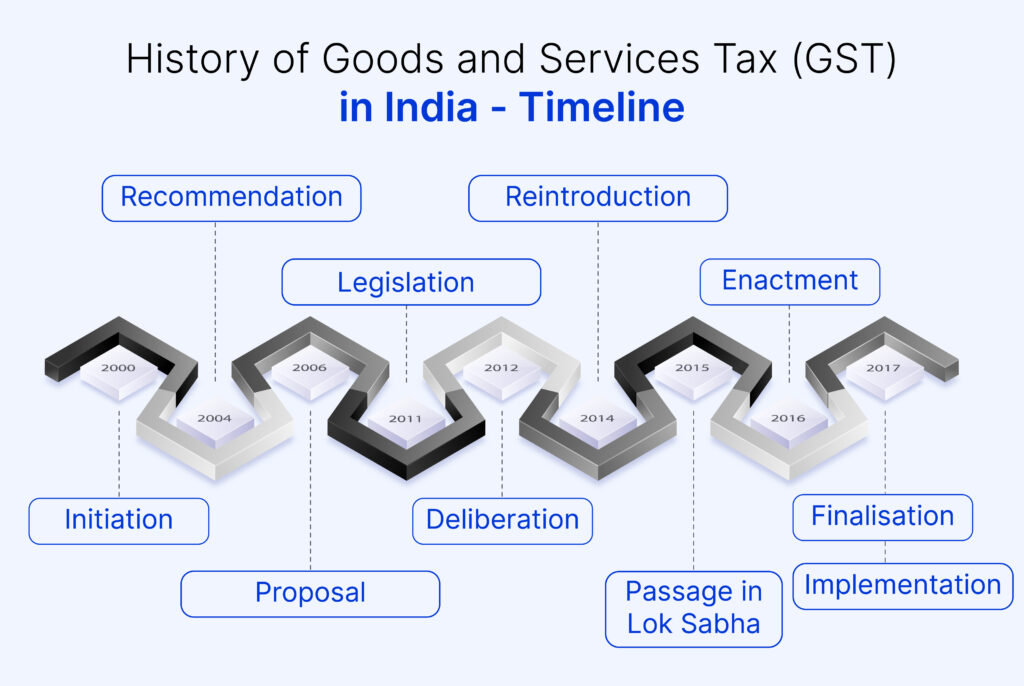
The journey of GST in India began in 2000 when a committee was set up to draft the law. After several years of deliberation and amendments, the GST Bill was finally passed in the Parliament in 2017, and GST was implemented on July 1, 2017. Since its inception, GST has undergone numerous amendments to address industry concerns and streamline processes.
History of Goods and Services Tax (GST) in India – Timeline
Key Components of GST
GST is divided into several components to ensure a fair distribution of tax revenue between the central and state governments:
- Central Goods and Services Tax (CGST): Levied by the central government on intra-state supplies of goods and services.
- State Goods and Services Tax (SGST): Levied by the state government on intra-state supplies of goods and services.
- Integrated Goods and Services Tax (IGST): Levied on inter-state supplies of goods and services and is collected by the central government.
- Union Territory Goods and Services Tax (UTGST): Levied on the supply of goods and services in Union Territories.
GST Registration
Eligibility Criteria for GST Registration:
GST registration is mandatory for businesses whose turnover exceeds a specified threshold limit, which varies for goods and services. Additionally, companies such as e-commerce operators, casual taxable persons, and input service distributors must register for GST regardless of turnover.
Step-by-Step Guide to GST Registration
- Visit the GST Portal: Access the GST registration page on the official GST portal.
- Fill Part-A of the Form: Provide basic details such as PAN, mobile number, and email ID.
- Verification: An OTP will be sent to your mobile number and email for verification.
- Fill Part-B of the Form: Enter detailed business information, including business address, bank account details, and the principal place of business.
- Upload Documents: Submit required documents such as proof of business address, bank account statement, and identity proof.
- Submit Application: Complete the application and submit it for processing.
- Receive GSTIN: Upon approval, you will receive a unique Goods and Services Tax Identification Number (GSTIN).
Documents Required for GST Registration
- PAN card of the business or applicant
- Proof of business registration or incorporation certificate
- Identity and address proof of promoters/directors with photographs
- Business address proof
- Bank account statement/canceled cheque
- Digital signature
Benefits of GST Registration
- Legal recognition as a supplier of goods or services
- Ability to collect tax from customers and pass on the credit
- Seamless flow of input tax credit
- Competitive advantage by enhancing business credibility
GST verification is the process of validating the GSTIN (Goods and Services Tax Identification Number) of a business entity. It ensures that the GSTIN provided by suppliers or vendors is authentic and registered under the GST regime. Verification helps prevent tax evasion and ensures compliance with tax laws.
What is GST Verification?
GST verification is the process of validating the GSTIN (Goods and Services Tax Identification Number) of a business entity. It ensures that the GSTIN provided by suppliers or vendors is authentic and registered under the GST regime. Verification helps prevent tax evasion and ensures compliance with tax laws.
When and Why GST Verification is Needed?
GST verification is essential during various business transactions, including:
- Onboarding new suppliers or vendors
- Filing GST returns
- Conducting audits
- Ensuring compliance with anti-profiteering laws
Verification helps businesses avoid fraudulent transactions, incorrect GST credits, and legal complications arising from non-compliance.
Learn More:
- How Verification APIs are helping businesses transform and scale-up
- Everything You Need To Know About Aadhaar Verification
- Identity Verification – How to Check PAN Aadhaar Linking Status with API
Types of GST Verification
Manual Verification Manual verification involves checking the GSTIN details on the official GST portal. This method is time-consuming and prone to human errors but is useful for verifying a small number of GSTINs.
Online Verification Online verification is done using the GST portal, where businesses can enter the GSTIN and verify its authenticity. This method is quicker than manual verification but still requires individual input for each GSTIN.
Automated Verification Tools Automated verification tools streamline the verification process by allowing bulk verification of GSTINs. These tools integrate with the GST portal and provide real-time verification, reducing the time and effort required for manual checks.
Challenges in GST Verification
Common Issues Faced During Verification
- Incorrect GSTIN entries leading to invalid results
- Network or portal downtime affecting verification
- Discrepancies in registered details
Errors and Discrepancies in GST Numbers:
Errors in GST numbers can arise due to manual entry mistakes or misinformation. Common discrepancies include incorrect PAN linkage, invalid business details, or outdated information.
Dealing with Fraudulent GST Numbers:
Fraudulent GST numbers pose a significant risk to businesses. To combat this, businesses should regularly verify GSTINs, maintain accurate records, and report suspicious activities to tax authorities.
Benefits of GST Verification
Ensuring Compliance with Tax Regulations Regular GST verification ensures that businesses comply with tax regulations, avoiding penalties and legal issues. It helps maintain accurate records and timely filing of GST returns.
Reducing the Risk of Fraud Verification helps identify and eliminate fraudulent GSTINs, protecting businesses from financial losses and reputational damage.
Enhancing Business Credibility and Trust Businesses that regularly verify GSTINs demonstrate their commitment to compliance and transparency, enhancing credibility and trust among stakeholders.
Technological Advancements in GST Verification:
Emerging technologies like blockchain, artificial intelligence (AI), and machine learning are poised to transform GST verification, delivering superior security, precision, and efficiency.
How to Verify GST Numbers?
Step-by-Step Process for Manual GST Verification
- Visit the GST Portal: Go to the official GST portal (www.gst.gov.in).
- Navigate to Search Taxpayer: Under the “Services” tab, select “Search Taxpayer” and then “Search by GSTIN/UIN.”
- Enter GSTIN: Input the GSTIN you wish to verify and complete the captcha.
- View Details: The portal will display the registration status, trade name, and other relevant details of the GSTIN.
Using the GST Portal for Verification The GST portal offers a dedicated search facility to verify GSTINs. This feature provides instant access to the registration status and other details of the GSTIN holder, ensuring authenticity.
Third-Party Tools and Software for GST Verification Several third-party tools and software are available for GST verification. These tools offer features such as bulk verification, real-time updates, and integration with ERP systems, making the verification process efficient and error-free.
Streamlined PAN to GSTIN Verification for Businesses
Instantpay’s PAN to GSTIN Verification API offers businesses a seamless solution to confirm the linkage between a customer’s PAN (Permanent Account Number) and GSTIN. By integrating this API, companies can enhance the accuracy of their customer data and ensure compliance with GST regulations.
This efficient verification process minimises errors and mitigates risks, contributing to a more secure and trustworthy business environment. Leverage Instantpay’s advanced verification technology to streamline operations and maintain regulatory compliance with ease.
Conclusion
In conclusion, GST verification is an essential aspect of compliance and financial integrity for businesses operating under the GST regime in India. By ensuring the authenticity of GSTINs, businesses can prevent tax evasion, maintain accurate records, and enhance credibility with stakeholders. The evolution of technology, including AI and machine learning, promises to streamline GST verification processes, making them more efficient and effective.
As businesses continue to navigate the complexities of GST compliance, investing in reliable verification tools and staying abreast of regulatory changes will be key to ensuring smooth operations and mitigating risks. By understanding the nuances of GST verification and implementing best practices, businesses can position themselves for sustainable growth in India’s dynamic business environment.
This comprehensive guide has provided insights into the fundamentals of GST, the intricacies of GST verification, common challenges faced, and the future outlook for verification processes. Embracing the principles outlined in this guide will empower businesses to navigate the complexities of GST compliance with confidence and clarity.