India’s economic landscape is undergoing a significant transformation. The government’s ambitious push for a cashless economy has witnessed a dramatic shift in payment methods. Gone are the days of relying solely on cash.
Today, digital transactions are rapidly becoming the norm, fueled by the growing penetration of smartphones and innovative technologies like Unified Payments Interface (UPI) and Quick Response (QR) codes.
Enhancing Financial inclusion, and ensuring everyone has access to financial services, is a key driver of economic development. But for millions in rural India, traditional banking systems remain distant. Here’s where UPI QR codes are emerging as a game-changer.
This blog delves into the transformative impact of UPI QR codes on financial inclusion in rural India. We’ll explore how this seemingly simple technology bridges the gap between the formal financial system and millions of people in remote villages.
Understanding UPI and QR Codes
Before delving into the impact, let’s understand the core technologies driving this change. The Unified Payments Interface (UPI) is a revolutionary digital payment system developed by the National Payments Corporation of India (NPCI).
It acts as an umbrella platform, seamlessly integrating various bank accounts and facilitating instant money transfers between individuals and businesses.
What truly amplifies the power of UPI is the integration of QR codes. These square square-shaped patterns with black and white dots encode information. When scanned using a smartphone’s camera (or mostly used via a particular app’s scanner), they trigger specific actions, such as opening a webpage or, in this case, initiating a UPI transaction.
The collaboration between UPI and QR codes creates a perfect storm of convenience and accessibility.

Here’s how:
- Accessible:
QR codes are incredibly simple, unlike traditional Point-of-Sale (POS) machines that require dedicated hardware and internet connectivity. Merchants, from street vendors to small kirana shops, simply need to display a printed QR code.
- Cost-Effective:
Setting up and maintaining POS machines can be a financial burden for small businesses. QR codes, on the other hand, are virtually free to generate and display. This eliminates a significant barrier for rural entrepreneurs to embrace digital payments.
- User-friendly:
Consumers only need a smartphone with a working internet connection and a UPI app installed. Scanning the code instantly brings up the payment interface with pre-filled details (amount, merchant name) for secure and swift transactions.
Learn More:
How are UPI QR Code Payments Empowering Rural India
Financial inclusion remains a pressing concern in rural India. Millions of individuals lack access to traditional banking services, hindering their ability to participate fully in the formal financial system. Here’s how UPI QR codes are playing a crucial role in bridging this gap:

- Widespread Accessibility:
QR codes don’t require fancy infrastructure or dedicated internet connections. This makes them ideal for remote areas with limited access to traditional banking facilities. Even a small village shop can now accept digital payments, empowering both merchants and consumers. - Security and Transparency:
QR code-based UPI transactions are inherently secure. Unlike cash transactions, there’s a clear digital record of every payment, reducing the risk of theft or fraud. Additionally, both parties receive instant confirmation messages, promoting transparency and accountability. - Breaking Barriers for Micro-Entrepreneurs:
QR codes empower small businesses in rural areas to accept cashless payments. This opens doors to new customer segments, particularly the growing population comfortable with digital transactions. By accepting digital payments, these businesses can attract new customers, expand their reach, and participate in the larger digital economy. - Financial Management and Savings:
The shift from cash to digital transactions fosters better financial management. Transaction records through UPI apps provide consumers with a clear overview of their spending habits. This can encourage responsible financial behavior and potentially lead to increased savings through digital financial products.
Challenges and the Road Ahead: Building a Digitally Inclusive Future
Despite the growth in QR adoption, there are still challenges to overcome. One of the main barriers is the lack of awareness and understanding of QR codes among consumers and merchants.
According to a survey by the Confederation of All India Traders, over 60% of small and medium-sized enterprises in India were unaware of QR codes and their benefits. Some challenges need to be addressed to ensure the full potential of UPI QR codes is realized in rural India.
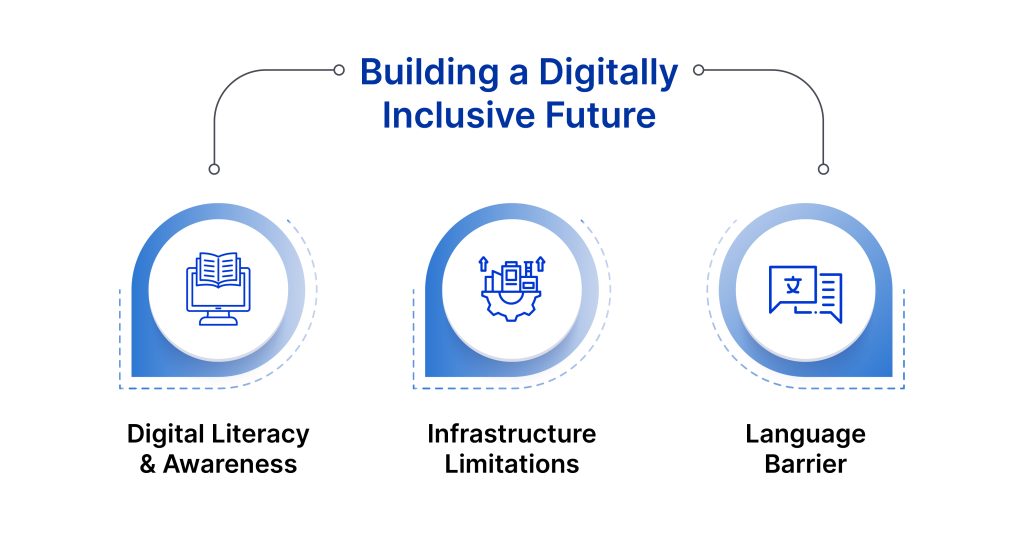
- Digital Literacy and Awareness:
A significant portion of the rural population, particularly older demographics, may not be familiar with smartphones and digital payment technologies. Bridging this digital literacy gap is crucial for wider adoption.
- Infrastructure Limitations:
While internet connectivity is improving in rural areas, there can still be pockets with unreliable connections. This can disrupt the seamless usage of QR codes for online transactions. - Language Barrier:
Many rural users may not be comfortable with English or Hindi, the primary languages used in most UPI apps. Localization and user interfaces in regional languages are essential for wider inclusivity.
A Collaborative Effort for Sustainable Transformation
To overcome these challenges and unlock the full potential of UPI QR codes in rural India, a collaborative effort is required:
 | Government Initiatives: |
 | Financial Institutions and Fintech Companies: |
“Instantpay offers comprehensive solutions designed for businesses. Instantpay provides a user-friendly platform for merchants to manage their UPI QR code accounts. This includes transaction history, real-time settlement reports, and easy reconciliation. Merchants simply display a generated QR code; customers can scan and pay directly using their smartphones“
Instantpay Collection QR Code
In today’s digital India, Instantpay’s Collection QR offers a secure and seamless way to connect communities through faster financial transactions. Here’s how:
 | Easy Money Collection: |
 | Wider Reach: |
 | Enhanced Transparency: |
 | Boosts Local Economy: |
Thus, Instantpay’s Collection QR acts as a bridge between people and businesses, fostering a more connected and financially inclusive India.
Success Stories: Real-World Impact of UPI QR Codes
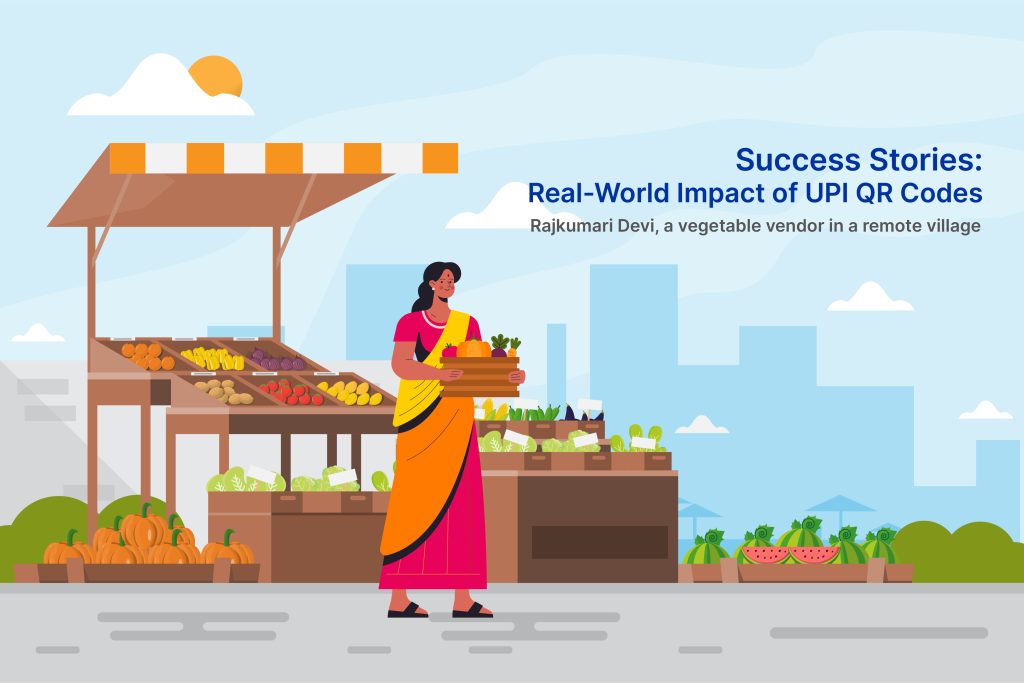
UPI transactions have witnessed exponential growth in recent years, with millions of transactions happening daily. However, statistics alone don’t capture the human stories behind this transformation. Here are a few examples showcasing the real-world impact of UPI QR codes in rural India:
- Rajkumari Devi, a vegetable vendor in a remote village
Rajkumari, like many other small vendors, traditionally relied solely on cash transactions. However, after adopting Instantpay UPI QR codes, she has witnessed a significant increase in her customer base. Customers who previously avoided small purchases due to lack of change now comfortably pay digitally. This has empowered Rajkumari to expand her business and improve her income. - Self-Help Groups (SHGs) Embracing Digital Payments
Self-help groups, often composed of women entrepreneurs in rural areas, are increasingly adopting Instantpay UPI QR codes for managing their finances. This not only simplifies financial transactions within the group but also allows them to accept digital payments from customers for their products and services. This fosters financial independence and empowers these women to participate actively in the local economy.
Conclusion
The emergence of UPI QR codes is not just a technological advancement; it’s a social and economic revolution unfolding in rural India. By bridging the gap between the formal financial system and millions of people, these seemingly simple codes are empowering individuals, fostering financial inclusion, and paving the way for a brighter economic future for rural communities.
As infrastructure improves, digital literacy initiatives expand, and innovative solutions emerge, UPI QR codes have the potential to transform the financial landscape of rural India, leading to a more inclusive and prosperous future for all.
Be A Part
Here’s how you can be a part of it:
Spread Awareness:
Educate your friends and family, especially those in rural areas, about the benefits and ease of using UPI QR codes.
Support Local Businesses:
Look for shops and vendors displaying UPI QR codes and opt for digital payments whenever possible.
Embrace Digital Literacy: If you have basic digital skills, consider volunteering to teach others in your community about using UPI and QR codes.
By working together, we can ensure that the transformative power of UPI QR codes reaches every corner of India, empowering individuals and fostering a truly inclusive digital economy.