- Components of Background Verification
- Benefits of Background Verification for Employers
- Benefits of Background Verification for Employees
- Importance of Background Verification
- Addressing Concerns about Background Verification
- Implementing a Background Verification Program
- Best Practices From Instantpay
- Conclusion
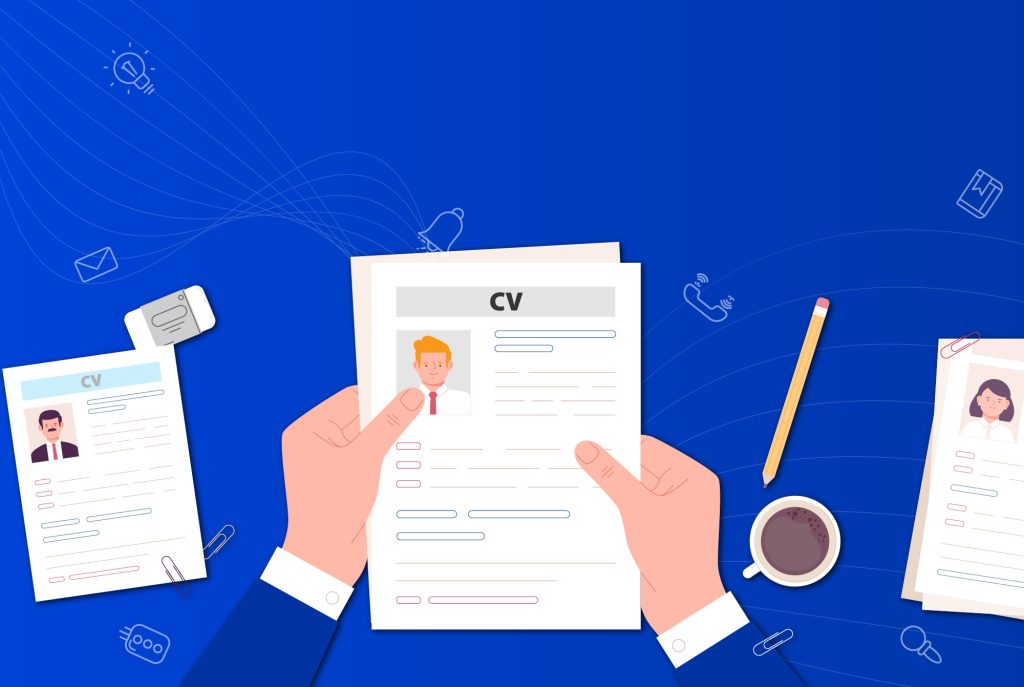
Background Verification is Essential in Today’s Hiring Landscape
Companies in this competitive market look for attracting qualified and talented candidates is a challenge. A recent study by the Society for Human Resource Management (SHRM) stated that 73% of HR professionals report difficulty finding qualified candidates for their open positions [SHRM statistic on difficulty finding qualified candidates]. This intense competition can lead some applicants to embellish their resumes or downplay negative aspects of their past employment. To mitigate these risks and ensure you’re hiring the best person for the job, background verification is an essential tool.
Background verification involves a series of checks designed to confirm a candidate’s qualifications and past experiences. This process helps employers make informed hiring decisions by providing a more complete picture of the applicant. We’ll explore the benefits background verification offers for both employers and employees, address common concerns, and provide a roadmap for implementing a compliant and effective background screening program.
Components of Background Verification
- Educational Background Checks: Verifying academic qualifications, degrees, and certifications obtained by candidates from educational institutions.
- Employment History Verification: Confirming past employment details, including job titles, roles, responsibilities, and reasons for leaving previous positions.
- Criminal Background Checks: Checking for any criminal records or convictions that may disqualify candidates from certain roles or industries.
- Reference Checks: Contact previous employers, colleagues, or other professional references to gather insights into a candidate’s work ethic, skills, and character.
- Professional Licence Verification: Validating licenses, accreditations, or memberships required for specific professions or industries, such as medical licenses or certifications for financial professionals.
- Credit History Checks (if applicable): For roles involving financial responsibilities, conduct credit history checks to assess a candidate’s financial integrity and reliability.
Benefits of Background Verification for Employers
- Informed Decision-Making: Resumes and interviews can be carefully crafted facades. Background checks provide a layer of transparency, verifying the candidate’s employment history, and education credentials, and potentially uncovering criminal records or past sanctions relevant to the position. This empowers you to make well-informed decisions about who you bring on board.
- Improved Quality of Hire: By verifying a candidate’s qualifications and past performance, you increase your chances of hiring individuals who possess the skills and experience they claim. This translates to a more competent workforce, leading to higher productivity, better customer service, and a reduction in costly turnover.
- Enhanced Workplace Safety: Background checks can help identify individuals with a history of violent crimes, theft, or fraud. This is particularly important for roles involving sensitive data, access control, or working with vulnerable populations. A safe work environment fosters peace of mind and well-being for all employees.
- Reduced Legal Liability: The concept of negligent hiring holds employers accountable for failing to take reasonable steps to verify an employee’s background before hiring. A thorough background check demonstrates due diligence, potentially protecting your organisation from lawsuits arising from employee misconduct.
- Protection of Company Assets: Background verification can help identify candidates with a history of financial irresponsibility or fraud. This safeguards your company’s assets and intellectual property from potential internal threats.
- Brand Reputation Management: Hiring someone who misrepresents themselves or commits an offence can damage your company’s reputation. Background checks help mitigate this risk, fostering trust and confidence with clients, partners, and the public.
- Streamlined Hiring Process: Background checks can flag potential issues early on, saving time and resources during the later stages of the hiring process. This allows you to focus on the most qualified candidates who are a good fit for your company culture.
Benefits of Background Verification for Employees
- Increased Transparency: When a company conducts background checks, it demonstrates a commitment to fair and ethical hiring practices. This can build trust and confidence with potential employees who value transparency.
- Fosters a Safe Work Environment: Employees appreciate working in a safe and secure environment. Background checks contribute to this by reducing the risk of working alongside someone who poses a threat.
- Opportunity for Clarification: Background checks can uncover discrepancies in a candidate’s history. This provides an opportunity for them to explain any issues and demonstrate their suitability for the role.
- Fair Hiring Process: Background checks ensure a fair and objective hiring process. All candidates are held to the same standard, giving everyone a chance to compete based on their true qualifications.
Learn More
- The Power of Identity Verification with Instantpay’s RC Verification
- Understanding Bank Account Verification APIs
- Introducing Instantpay Identity & Verification
Importance of Background Verification
- Ensuring Candidate Credibility: Background verification helps companies verify the accuracy of the information provided by candidates in their resumes and job applications. This includes confirming educational qualifications, past employment details, and professional credentials.
- Risk Mitigation: By conducting thorough background checks, employers can mitigate risks associated with hiring individuals with a history of criminal activity or fraudulent behavior. This is especially crucial for roles that involve handling sensitive information, financial transactions, or working with vulnerable populations.
- Maintaining Company Reputation: Hiring individuals with questionable backgrounds can tarnish a company’s reputation and trust among clients, stakeholders, and the public. Background verification helps maintain a positive image and fosters trust in the organisation’s hiring practices.
- Legal Compliance: Many industries and jurisdictions have specific legal requirements regarding background checks for certain roles, such as those in healthcare, finance, and childcare. Conducting background verification ensures compliance with relevant laws and regulations.
Addressing Concerns about Background Verification
Privacy Concerns: Background checks must comply with local and national regulations regarding data privacy. Ensure you have the candidate’s written consent before conducting a background check, and only request information relevant to the position.
Discrimination: Background checks should not be used to discriminate against candidates based on protected characteristics such as race, religion, or national origin. Tailor your screening procedures to the specific requirements of the role.
Cost: Background checks involve a cost, but the benefits far outweigh the expense. Consider the potential financial and reputational damage that could be caused by a bad hire.
Time Constraints: Background checks can take time to complete. However, several reputable background screening companies offer fast turnaround times while maintaining accuracy.
Implementing a Background Verification Program
- Develop a Policy: Create a clear background verification policy outlining the types of checks conducted and the information sought. Ensure it complies with all relevant laws and regulations.
- Choose a Screening Provider: Partner with a reputable background screening company that offers a variety of services tailored to your needs. Consider factors like accuracy, turnaround times, and customer support.
- Obtain Candidate Consent: Before initiating a background check, obtain written consent from the candidate authorising the verification of their information.
- Integrate with the Hiring Process: Integrate background checks seamlessly into your hiring process. Conduct checks after the interview stage, when you’ve narrowed down the candidate pool to the most qualified individuals.
- Review Results: Carefully review the background check report, considering the information in relation to the specific job requirements.
Best Practices From Instantpay
Instantpay, provides a comprehensive suite of Identity verification, and also recommends the following best practices for using identification in background verification:
Collect Government IDs: Start with basic verification by requesting government-issued IDs (passport, driver’s licence) during onboarding.
- Digital Verification from Instantpay: Aadhaar & PAN: Instantly verify candidate identities using Aadhaar and PAN details to validate information like name, age, address, and contact details, ensuring compliance with Know Your Customer (KYC) regulations in the hiring process.
- DL, RC, Voter ID: Additionally, streamline candidate onboarding by verifying their driving licence, vehicle registration certificate, and voter ID in a single process, enhancing trust and authenticity through document verification services during the hiring process.
- CKYC: Facilitate seamless onboarding and KYC compliance with instant verification from the Central Employment KYC registry.
Maintain Compliance: Ensure your ID verification practices comply with all relevant data privacy laws and regulations. Store candidate information securely and dispose of it properly after the background check is complete.
Conclusion
Background verification is an essential and non-negotiable aspect of the hiring process for businesses of all sizes and industries.trust is paramount. Background verification isn’t just about ticking a box; it’s about building a solid foundation for your organisation’s success. It empowers you to make informed hiring decisions, fostering a workplace environment built on trust, safety, and productivity.
By implementing a well-designed background verification program, you gain a clearer picture of your candidates. This not only mitigates risks associated with bad hires but also allows you to identify individuals who are truly aligned with your company culture and values. This translates to a more engaged workforce, reduced turnover, and ultimately, a stronger bottom line.
Furthermore, background checks demonstrate your commitment to ethical and responsible hiring practices. This transparency builds trust with not only your employees but also with clients, partners, and the wider community. In today’s world, where reputation is everything, a commitment to building a trustworthy team through background verification sends a powerful message.
Remember, background verification is an investment in your organisation’s future. Don’t underestimate the power of this essential tool in propelling your business forward.